Wave of Fake Bomb Threats Poses Major Headaches for European Aviation
Hey there, travel buffs and news junkies! Welcome back to the blog. Today, we are diving into a pretty wild and stressful situation currently unfolding across the European skies. If you have been keeping an eye on the news lately, you might have noticed some worrying headlines about a sudden surge in security alerts affecting commercial flights. It is the kind of stuff that makes anyone packing a suitcase think twice before heading to the airport.
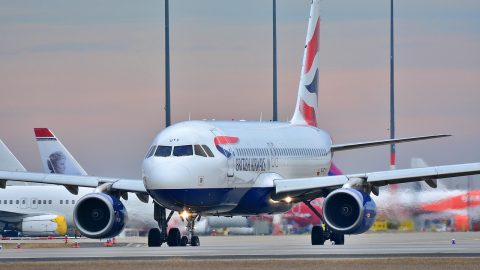
We are talking about a massive spike in bogus security alerts. Over just a short four-day span, no fewer than 32 separate terror warnings targeted a dozen different carriers operating across the region. Let that sink in for a moment—32 incidents in less than a week. It is a staggering number that has put the aviation sector on high alert, dealing with what could easily turn into a widespread logistical nightmare.
Now, before anyone panics, let us get the most important detail out of the way right off the bat: every single one of these warnings has turned out to be a complete hoax. Phew, right? But here is the catch—even though they were fake, the people running the airlines and crewing the aircraft had absolutely no way of knowing that when the alerts first came in. When you are tens of thousands of feet up in the air, you simply cannot afford to take chances. Safety always comes first, meaning even a prank message has to be treated as a 100% genuine emergency.
So, how do these things actually play out behind the scenes? Well, the threats have been rolling in through various channels, with culprits using both phone calls and emails to deliver their malicious messages. Once an alert drops, the response has to be immediate and dramatic. We are talking about severe disruptions that leave passengers scratching their heads and flight crews working under immense pressure.
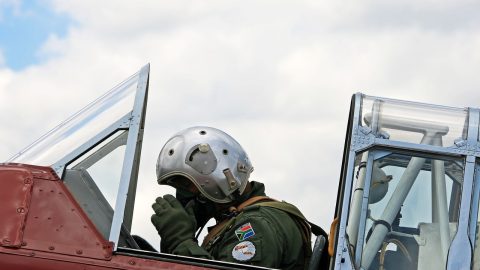
Depending on the severity and timing of the alert, the emergency protocols can look pretty intense. In some extreme instances, commercial airliners have actually been intercepted and escorted by military fighter jets. Imagine looking out your cabin window and seeing a heavily armed jet flying right alongside you! In other cases, flight attendants have had to carry out quiet, discreet inspections mid-flight, carefully checking the cabin without causing any widespread panic among the passengers.
Of course, flights have also had to change course entirely. Several planes were forced to divert away from their intended destinations, touching down at unexpected airports—sometimes in completely different countries—just to get everyone on the ground safely. One particularly dramatic story involved an Aer Lingus flight that had to touch down at a military airbase located a staggering 1,000 kilometers away from where it was supposed to land, simply because it was running dangerously low on fuel after the diversion.
Dealing with this kind of relentless chaos is a massive challenge for airline management. According to Marco Chan, a former commercial airline pilot and aviation expert currently teaching at Kingston University, carriers operate using strict triage systems. No matter how suspicious or questionable a tip might seem, they have to follow the exact same rigid safety protocols every single time until they can definitively prove there is no actual danger.
Chan points out that this routine typically involves a careful inspection during the flight if necessary, followed by a thorough, mandatory search of the entire aircraft the moment it touches the tarmac. Passengers might not even realize anything is wrong until they are finally asked to disembark and told about the delay. While dealing with all of this is undoubtedly a major headache and a source of massive disruption, experts agree it is a very small price to pay when human lives and overall safety are on the line.
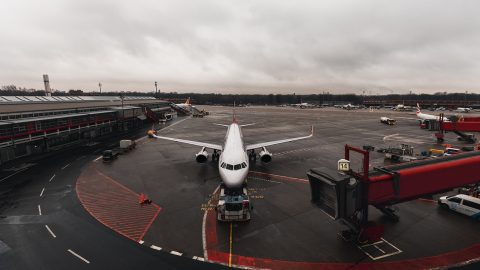
For everyday travelers, seeing bomb-sniffing dogs and heavily armed security teams swarming the tarmac can certainly be jarring and cause a bit of alarm. However, the actual number of people directly affected so far remains relatively limited to the passengers on those specific flights.
Looking at the broader financial and operational picture, aviation security specialist Paul Mason notes that while these incidents certainly cost the airlines money, unexpected flight diversions are actually a fairly common occurrence in the industry. Planes get rerouted on a daily basis for all sorts of reasons, including technical malfunctions, sudden medical emergencies on board, and unpredictable severe weather conditions. In fact, Mason points out that weather and mechanical diversions happen in numbers that far outweigh the few flights affected by these recent hoaxes. Because of this, airlines are generally very well-equipped to handle the unexpected.
Unfortunately, for passengers wondering about compensation, the outlook is not great. It is pretty unlikely that customers will be able to successfully claim refunds for their ruined travel plans, simply because these unexpected disruptions are entirely outside the control of the airlines.
What really has industry insiders and security experts feeling uneasy, however, is the seemingly random selection of targets and the total lack of solid intelligence regarding who is actually behind the stunt. Aside from a few scattered emails where an extremist misogynistic organization supposedly claimed responsibility—a claim that was quickly and publicly denied by the group’s own founder—investigators currently have very few leads to follow.
Mason, who brings two decades of military experience to his analysis, suggests that these coordinated disruptions bear all the classic warning signs of hybrid warfare. This modern form of conflict often relies on unconventional tactics, including cyber attacks and psychological pressure, to destabilize a region or industry without open combat.
He notes that the whole situation definitely feels organized. While the Russian government has officially stated it has nothing to do with the chaos, Mason warns that it could easily be the work of proxy actors. It is an extremely cheap and effortless way to generate widespread disruption, public panic, and logistical headaches while maintaining plausible deniability for whoever is pulling the strings. The frustrating part of the puzzle is that while people can easily speculate about who might be responsible, tracking down the culprits becomes exceptionally difficult if they are hiding behind sophisticated, hard-to-trace technology.
At the same time, authorities are sending out a very clear, stern warning to any copycats or internet pranksters thinking about joining in on the trend. Trying to replicate these pranks as a joke is a terrible idea that will land individuals in unimaginably deep trouble.
Under legal frameworks like the Aviation Security Act 1982, intentionally sending out false, misleading, or deceptive information that puts the safety of an aircraft in flight at risk is treated as an extremely severe criminal offense. The maximum possible punishment under the law is nothing less than life imprisonment.
Security agencies acknowledge that there is very little airports and airlines can realistically do to completely prevent receiving these kinds of malicious threats, given how easily they can be generated from countless sources around the globe. Because stopping the initial contact is so difficult, the legal system relies heavily on harsh, uncompromising punishments to serve as a powerful deterrent.
To put it simply, as Paul Mason warns, some misguided person might think sending a fake threat is hilarious and effortless to pull off. But unless they are operating with incredibly sophisticated methods—which most everyday copycats are not—they are overwhelmingly likely to be hunted down, caught, and left facing a very long time behind bars.
As this strange situation continues to develop, travelers across Europe will just have to keep their fingers crossed and hope that the authorities can track down whoever is pulling off these disruptive stunts. Until then, the aviation industry remains vigilant, proving once again that safety always comes first, no matter how frustrating the journey gets. Safe travels out there, everyone, and I will catch you all in the next post!
source: feeds.bbci.co.uk (www.bbc.co.uk)
Photo by dmncwndrlch on Pixabay