What Went Wrong During the Massive US Flight Ground Stop?
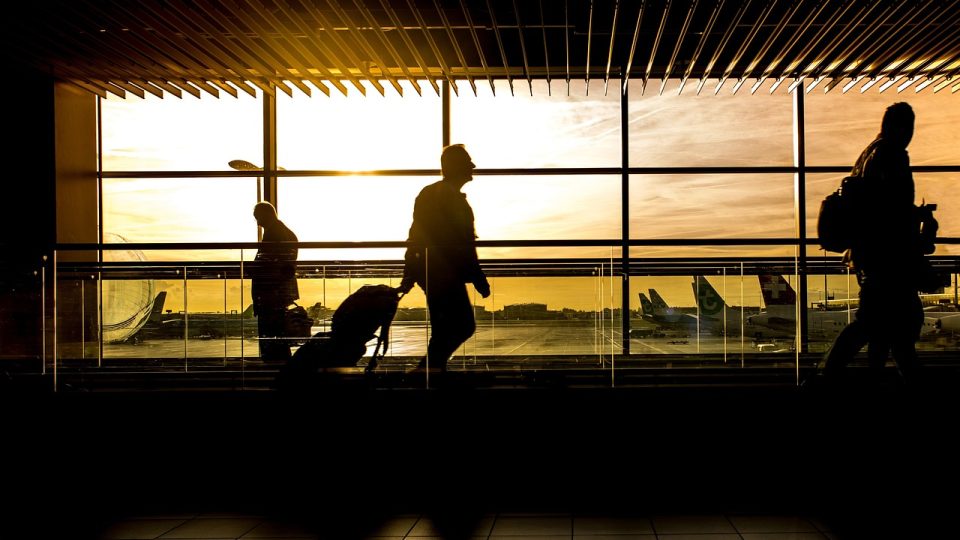
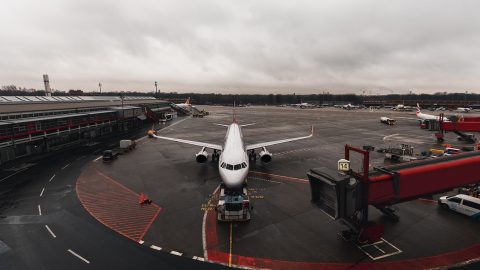
Hey there, fellow travelers and news junkies! If you happened to be planning a trip or tracking someone flying across the United States recently, you probably noticed that things went completely sideways. We are talking about a nationwide flight ground stop that honestly gave everyone major flashbacks to the historic disruptions we saw way back after the tragic events of September 11, 2001. It was wild, it was stressful, and it left tens of thousands of people stranded in airports wondering where on earth they were going to sleep.
So, what actually happened up there in the skies? Let’s break down everything we know about this crazy aviation mess, why it happened, and what it means for anyone trying to catch a flight right now.
The Great Shutdown: How It All Went Down
Picture this: it was a regular busy day, and suddenly the Federal Aviation Administration (FAA) dropped an absolute bombshell of an announcement. At around 15:54 EST, they declared that every single departing flight within the US had to be grounded immediately until further notice. Talk about hitting the panic button! This wasn’t just a local delay at a single hub; it was a nationwide halt caused by what officials called “extraordinary circumstances”—specifically, a massive communication glitch that affected every single air traffic control center across the country.
When the freeze was put into place, there were over 3,500 airplanes actively cruising through the air. Some of those flights managed to keep going to their final destinations, while others had to be diverted to completely different airports. Meanwhile, international travel took a massive hit too. All US-bound air traffic coming from Eurocontrol member states—which covers dozens of European nations, the UK, Turkey, Israel, and Morocco—was completely suspended. Even Air Canada had to put the brakes on flights moving back and forth between the US and Canada.
After lasting for more than four hours, the FAA finally started reopening the skies, with flights gradually beginning to take off again, starting from places like San Francisco International Airport, before the ground stop was officially lifted later that evening. Still, the damage was already done. According to tracking data from FlightAware, the stoppage resulted in more than 8,500 delayed flights and nearly 8,000 cancellations. Ouch.
Not a Cyberattack, But Definitely a Tech Nightmare
Naturally, whenever something this massive happens on a national scale, everyone immediately worries about the worst-case scenario: a cyberattack or security threat. Fortunately, Homeland Security Secretary Markwayne Mullin stepped in early to reassure the public. He confirmed that there was no indication whatsoever of any malicious cyberattack and stressed that everyone was safe throughout the ordeal.
So, if it wasn’t hackers, what was the culprit? As it turns out, the villain of the story is something way more mundane, yet deeply alarming: seriously ancient technology.
US Transportation Secretary Sean Duffy held a news conference to explain the root of the problem, and his description painted a pretty grim picture of America’s aviation infrastructure. According to Duffy, the issue stemmed from trying to implement new equipment and modern technology into an air traffic control system that is decades old. In simple terms, it was running on analogue telecom. The switches and routers literally got overloaded with data and just shut down.
Aviation analyst Miles O’Brien didn’t hold back either, describing the underlying architecture as “a house that’s about to be condemned.” He explained to reporters that the system was relying on tiny, thin copper wires to connect regional air traffic control centers. When new software was introduced, it completely overwhelmed the bandwidth of those delicate little wires, shutting the system down and causing intermittent, inconsistent signals between the control hubs.
Secretary Duffy pointed out that the entire system is in dire need of a complete overhaul, estimating a staggering price tag of around $50 billion and bluntly warning that “it’s going to continue to fail” unless something drastic is done. Other officials also questioned the timing of the upgrade, pointing out that rolling out tech changes on one of the busiest travel days of the week is probably not the best strategy for keeping things running smoothly.
The Aftermath and the Ripple Effect
If you’ve ever dealt with flight cancellations, you know that the actual day of the disruption is only half the battle. The real headache is the ripple effect. Secretary Duffy warned that it was going to take quite a bit of time to “unwind what’s happened” and get everything back on schedule, meaning travelers should expect lingering delays for a few days.
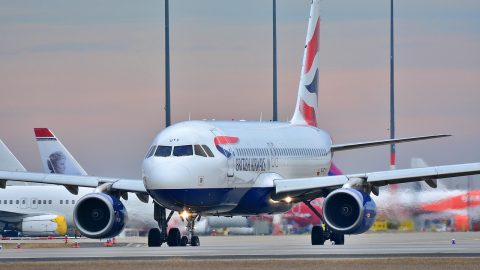
Tens of thousands of passengers found themselves stuck in airports nationwide. Major carriers like Delta Air Lines, United Airlines, American Airlines, and JetBlue scrambled to get their operations back on track, urging passengers to check their status before heading out. Over in the UK, British Airways and other carriers advised travelers to keep an eye on their flight updates but still show up to the airport as planned, even though some flights out of major hubs like Heathrow faced the axe.
Experts comparing the event noted that while it was certainly the largest nationwide grounding since the tragic events of September 11, 2001, it wasn’t quite on that catastrophic scale. For comparison, aviation buffs might remember a previous nationwide grounding in 2023 caused by a failure in the Notice to Air Missions (Notam) system. That particular incident lasted less than two hours, but still managed to delay about 9,500 flights and cancel around 1,300.
What Are Your Rights If You Got Stranded?
Nobody likes having their travel plans completely ruined, but when you are stuck sleeping on an airport floor, knowing your rights can at least take a little bit of the sting away. The rules on compensation and support can vary wildly depending on where you are flying from and which airline you are using.
Generally speaking, airlines are not legally required to hand out compensation for air traffic control problems because the issue is considered outside of their direct control—unlike a mechanical failure or a pilot getting sick. However, under US federal guidelines like the FAA Reauthorization Act of 2024, passengers dealing with cancelled or significantly delayed flights (defined as three hours for domestic and six hours for international routes) must be offered alternative travel arrangements or a complete, full refund of their ticket fare if they decide they no longer want to fly.
Furthermore, US carriers are required to issue refunds for credit card purchases within seven business days of a request, or 20 days if paid through another method. However, do keep in mind that US law doesn’t actually force airlines to provide free meal vouchers or hotel accommodations, though some airlines might offer them out of goodwill.
Things look a bit different if you are flying out of the UK or traveling with a UK carrier. Under UK regulations, airlines have a strict duty of care when flights are delayed or cancelled for *any* reason. That means you could be entitled to:
- A reasonable amount of food and drink, usually provided via vouchers.
- A way to communicate, which often covers the cost of calls.
- Free overnight accommodation if your delay forces you to stick around until the next day.
If your airline leaves you hanging and fails to arrange this help for you, consumer advice groups note that you generally have the right to book it yourself and claim the money back later—just make sure you hang onto every single receipt and don’t go overboard on luxury spending!
At the end of the day, this massive travel meltdown serves as a loud wake-up call about the fragile state of the technology keeping our skies safe. Hopefully, policymakers will take these warnings seriously before another glitch decides to throw the travel world into chaos all over again. Safe travels out there, everyone, and may your next flight be completely uneventful!
source: feeds.bbci.co.uk (www.bbc.co.uk)
Photo by ClickerHappy on Pixabay